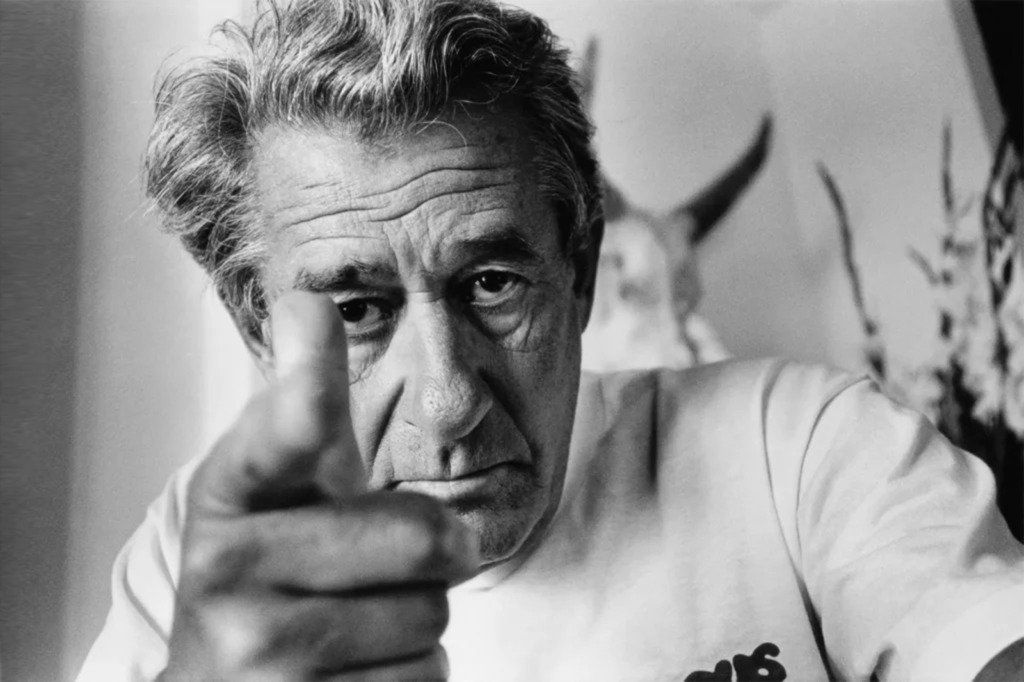

Some photographs don't ask for permission. They walk into the room, take the best seats, and dare you to look away. That's what Helmut Newton did for over four decades. He didn't seduce you into his images. He confronted you with them.
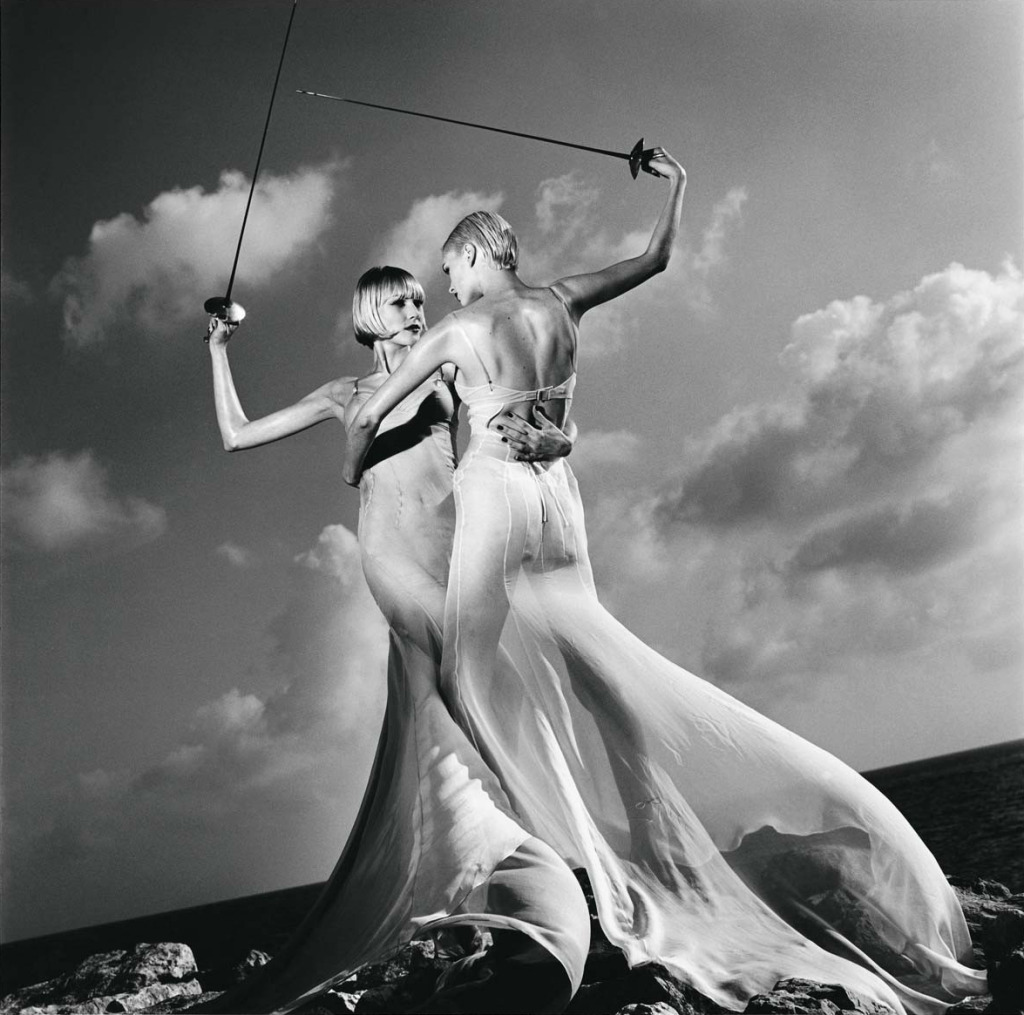
Born Helmut Neustädter in Berlin in 1920, Newton grew up Jewish in a city that was about to become the worst version of itself. He left Germany in 1938, bounced through Singapore, got interned in Australia, and eventually landed in the world of fashion photography with the kind of restless hunger that only displacement can produce. Nothing about his origin story is soft. And nothing about his work ever tried to be.
Newton shot for French Vogue, American Vogue, Elle, Playboy. He worked with Yves Saint Laurent, Thierry Mugler, Blumarine. But calling him a fashion photographer always felt like calling Kubrick a camera operator. Technically accurate. Spiritually dishonest. Newton used fashion the way a playwright uses a stage. The clothes were there, sure. But they were never the point.
The point was power. Always.
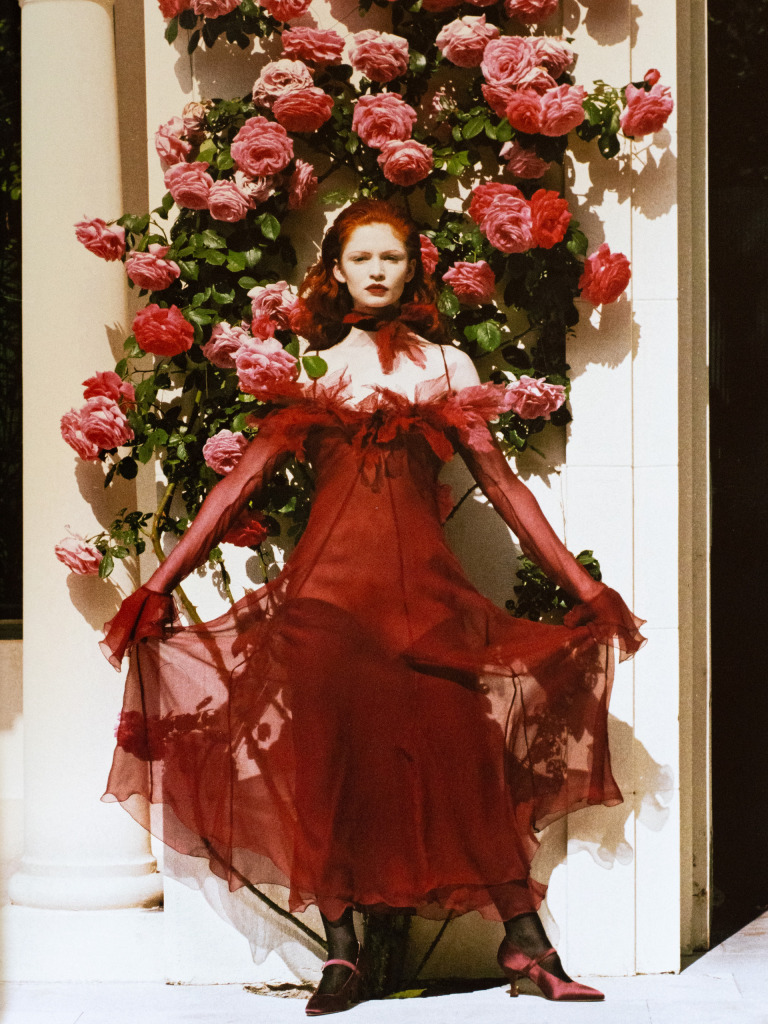
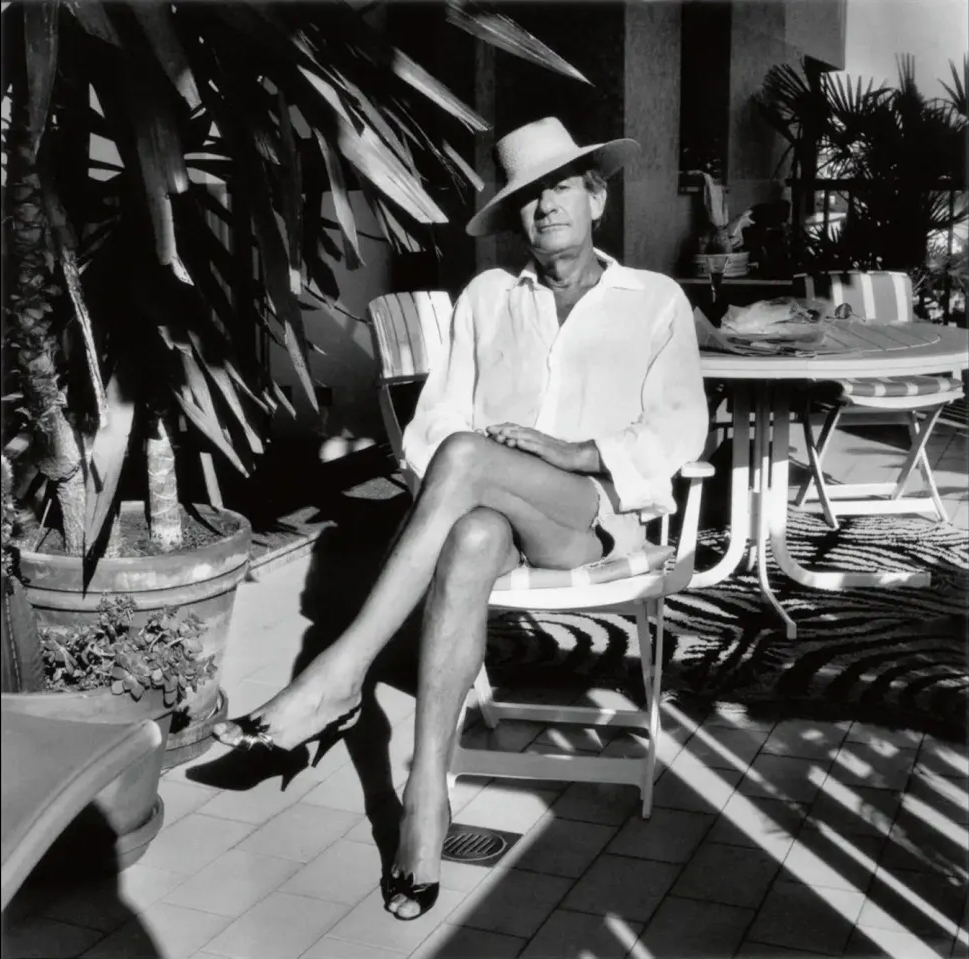
His women don't look at the camera like they need something from you. They look at it like they already have everything. Tall, angular, often nearly or entirely undressed, posed in penthouses and parking garages and cold modernist interiors that feel more like crime scenes than editorials. There's an aggression to his compositions that people still struggle to sit with. The heels are too high. The stare is too direct. The lighting is too precise to be accidental, too cinematic to be documentary.
His Big Nudes series from the early 1980s remains one of the most talked-about bodies of work in photography. Life-size prints of women standing, confrontational, stripped of clothing but loaded with attitude. No vulnerability. No apology. Shot with a Mamiya RZ67 and printed at a scale that forced viewers to deal with the image physically. You couldn't glance at a Big Nude. You had to stand in front of it like it was standing in front of you.
Newton understood something most photographers don't. That nudity and nakedness are two entirely different things. His subjects are nude. They're never naked. The distinction lives in the posture, the jaw, the way a hand rests on a hip like it owns the room and everything in it.
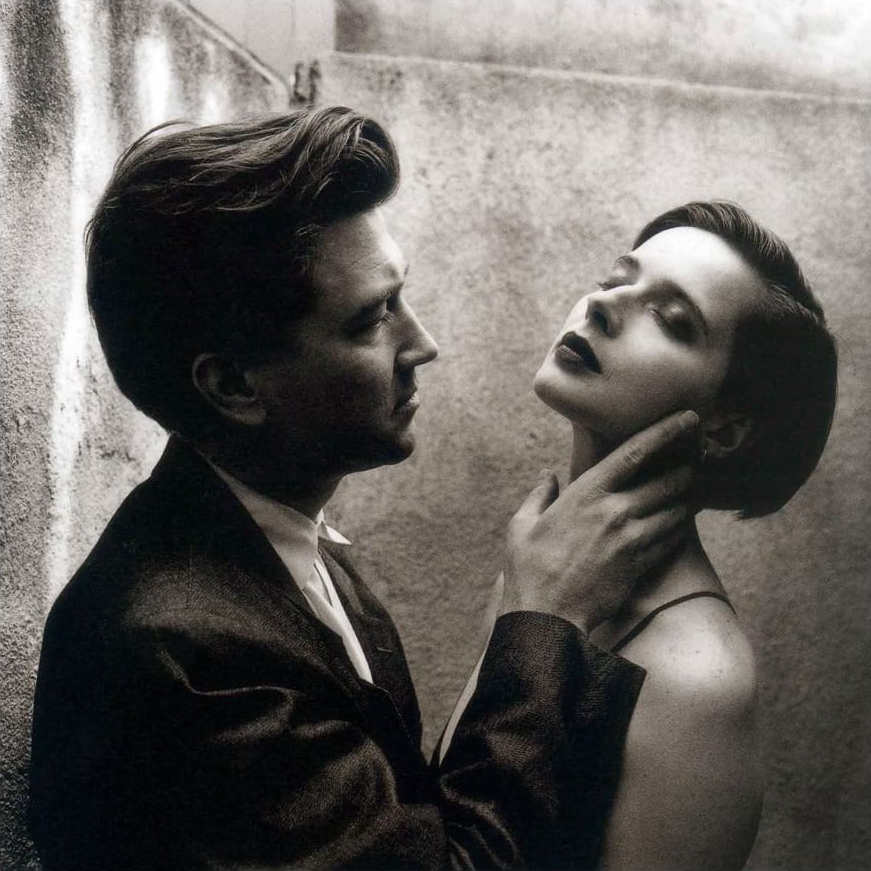
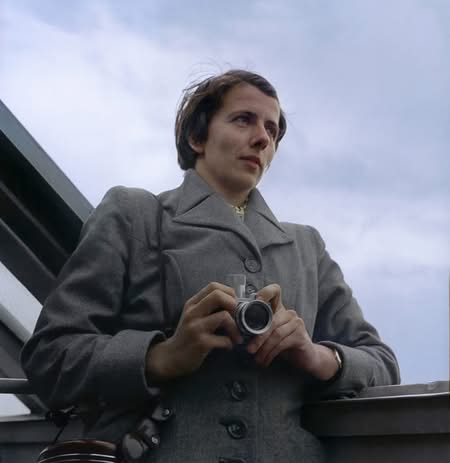
People called his work misogynistic. Others called it feminist. He seemed unbothered by either reading. In interviews he was blunt, funny, a little cruel, completely allergic to pretension. He once said he was a voyeur, and he said it with the kind of calm that made you believe he'd thought about it carefully and decided he was fine with it. His wife, June Newton, who photographed under the name Alice Springs, worked alongside him for decades. Their marriage was its own kind of composition. Two people who understood image-making as a form of negotiation between who's looking and who's being looked at.
What separated Newton from his imitators, and there were many, was taste. Not polite taste. Not restrained taste. The kind of taste that knows exactly how far to push before something collapses into vulgarity. He walked that line like it was a catwalk. His lighting borrowed from noir cinema. His staging borrowed from Hitchcock. His women borrowed from no one.
He shot almost exclusively with available darkness as much as available light. Shadows did half the work. A woman leaning against a marble wall in Monte Carlo, lit from one hard angle, wearing nothing but a pair of stilettos and an expression that could cut glass. That's a Newton photograph. You know it before you see the credit.
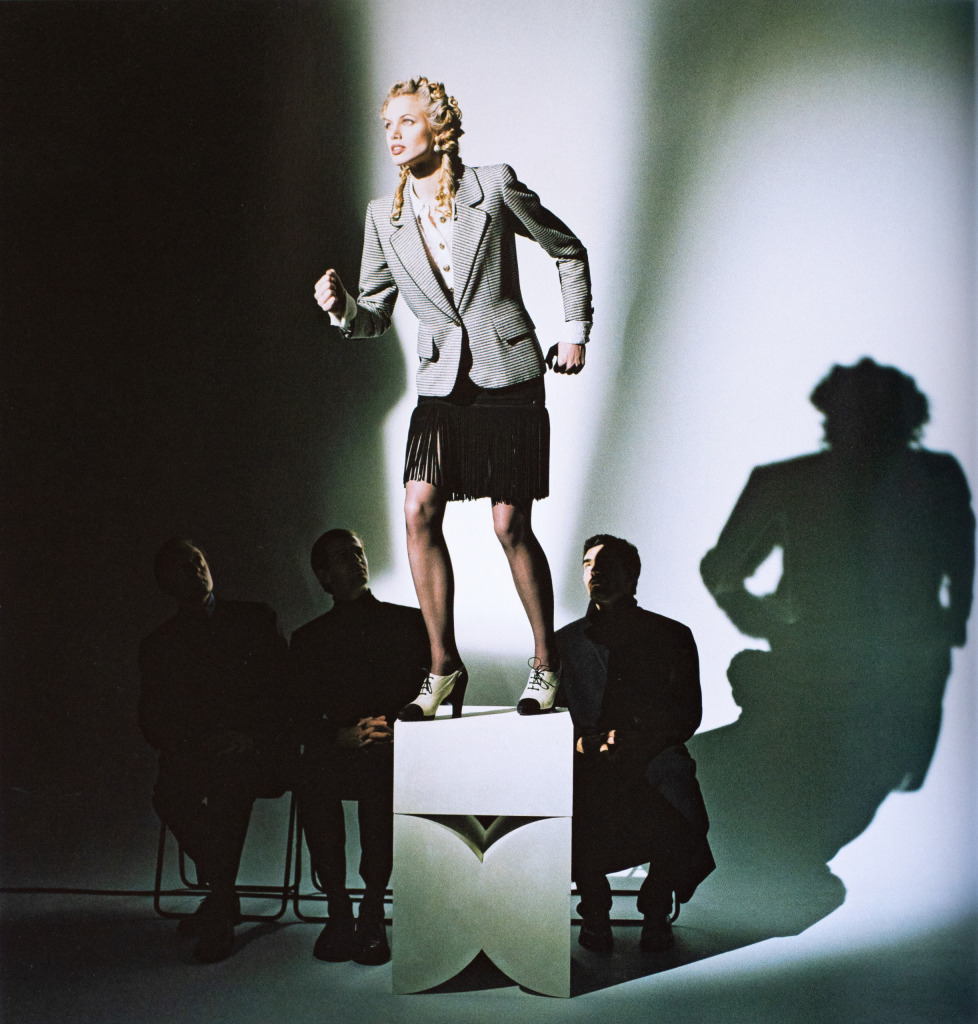
He lived between Monaco, Los Angeles, and Paris. He drove fast. He ate well. He kept working until January 23, 2004, when he lost control of his car pulling out of the Chateau Marmont on Sunset Boulevard and died from his injuries. Even his exit had the composition of a Newton image. Dramatic, precise, impossibly cinematic.
His archive now lives at the Helmut Newton Foundation in Berlin, the city he fled as a teenager. There's something uncomfortably poetic about that. The boy who had to leave came back as the photographs. Thousands of them. Lining the walls of a building that sits in a city that once tried to erase people like him.
Newton never softened. Never pivoted toward warmth or accessibility. He kept making images that asked uncomfortable questions about desire, control, beauty, and who gets to define any of it. The fashion world absorbed him because it had no choice. He was too good to ignore and too sharp to domesticate.
Some photographers make you feel something. Newton made you feel caught.