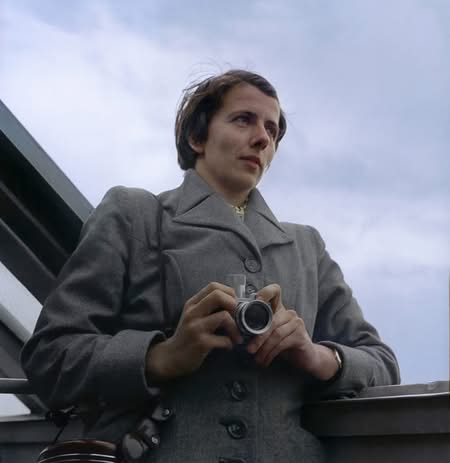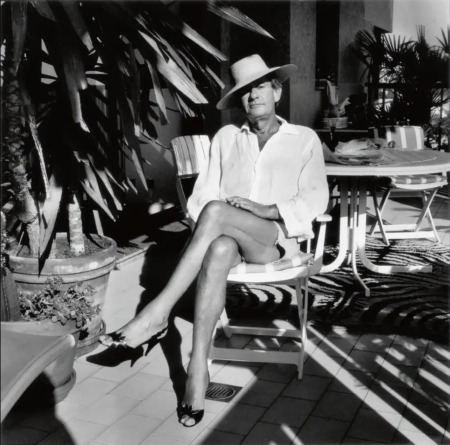

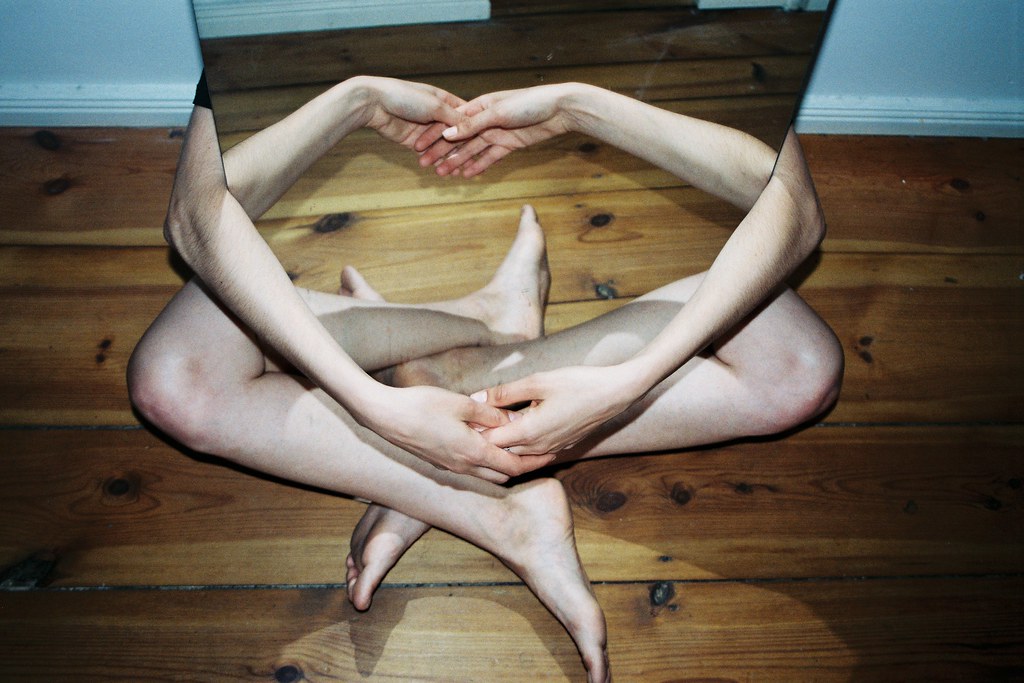
There's a certain kind of photograph that doesn't try to impress you. It just sits there, still, waiting for you to lean in. That's what Lukasz Wierzbowski does. He makes you lean in.
Born in Poland in 1983, Wierzbowski has spent years building a body of work that feels genuinely hard to place. Not because it's confusing. Because it lives somewhere between a memory you're not sure you had and a dream you forgot to write down. His images are soft but never passive. Tender but with this odd, almost theatrical edge, like a fairytale written by someone who finds enchantment in ordinary places.
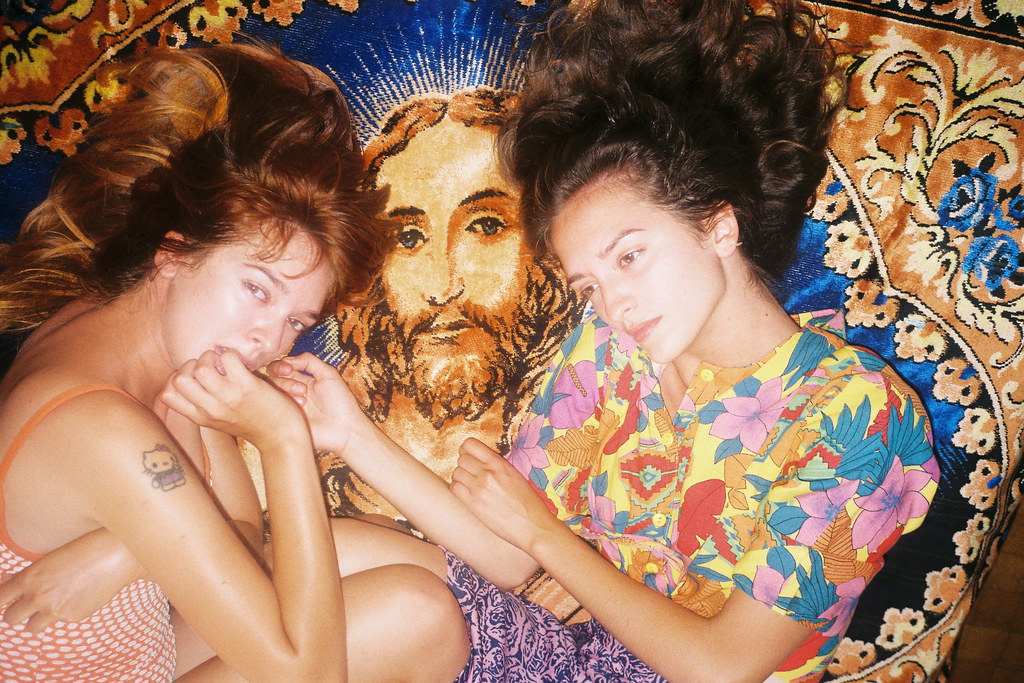
His most recognizable subjects are his two nieces, Ania and Magda. They've been in front of his camera since they were young, growing up frame by frame, picture by picture. There's something rare about that. The trust is visible. You can feel it in the way they hold a pose, half natural, half choreographed, like they're in on the secret of whatever story he's telling. They fold into his compositions like they belong there, and they do. Not as models. As collaborators in something private and ongoing.
He has long shot almost exclusively on film, well before it became a talking point or a badge of taste. His cameras, a Contax G2 fitted with 28mm and 45mm lenses, a Canon Rebel K2 with its kit zoom, an Olympus Mju II, are quiet, unshowy companions. He works in low ISO film, usually 100 or 200, choosing slowness over immediacy, restraint over excess, and a grain that feels less like nostalgia than truth rendered in texture.
What makes Wierzbowski interesting, really interesting, is his refusal to chase what's current. His color palettes feel borrowed from old European postcards. The textures are analog even when they're not. Skin looks like skin. Light looks like truth. Nothing is over-processed. Nothing screams for your attention. And somehow, in a world where every image is optimized for the scroll, his work still stops you.
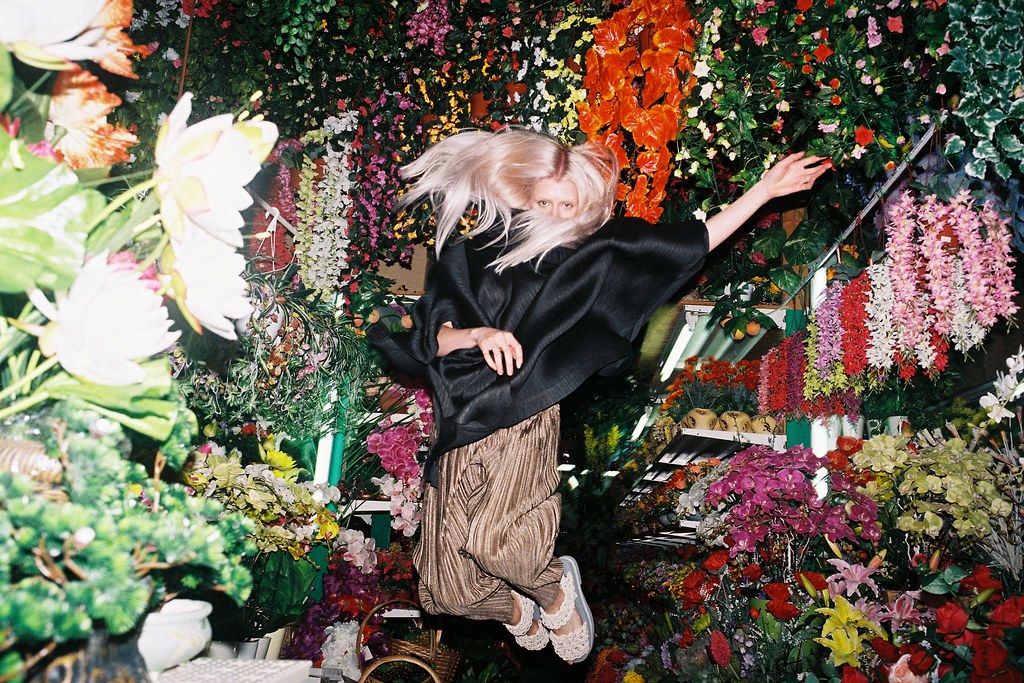
He's been featured in magazines and exhibited internationally, but he doesn't carry the energy of someone performing for an industry. His Instagram reads more like a private notebook than a portfolio. Each image carefully placed, almost reluctantly shared. That restraint says a lot.
There's a word people overuse when talking about photography like this. Ethereal. But Wierzbowski's work isn't floating above anything. It's grounded. Rooted in real faces, real rooms, real afternoon light falling on a shoulder or a bare wall. The strangeness comes from how he frames the ordinary. A girl standing in a field with her arms out isn't surreal on paper. But the way he captures it, the tilt, the crop, the silence around her, suddenly it becomes something else entirely.
He belongs to a kind of image-maker that's getting rarer. Not the one chasing virality or building a brand around a single aesthetic trick. The kind who just keeps working, keeps looking, keeps trusting that the quiet image will find the right pair of eyes.
And it does, every time.
Discover more of Lukasz Wierzbowski’s work:
Website ✶ Instagram ✶ Main Flickr ✶ Side Flickr