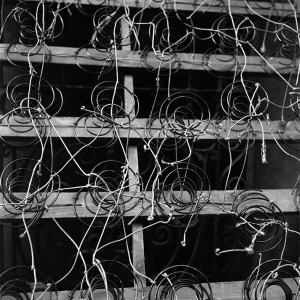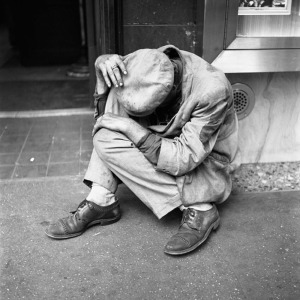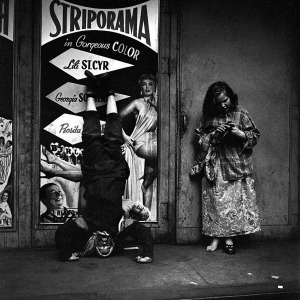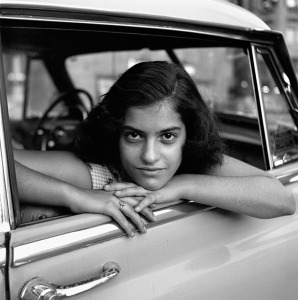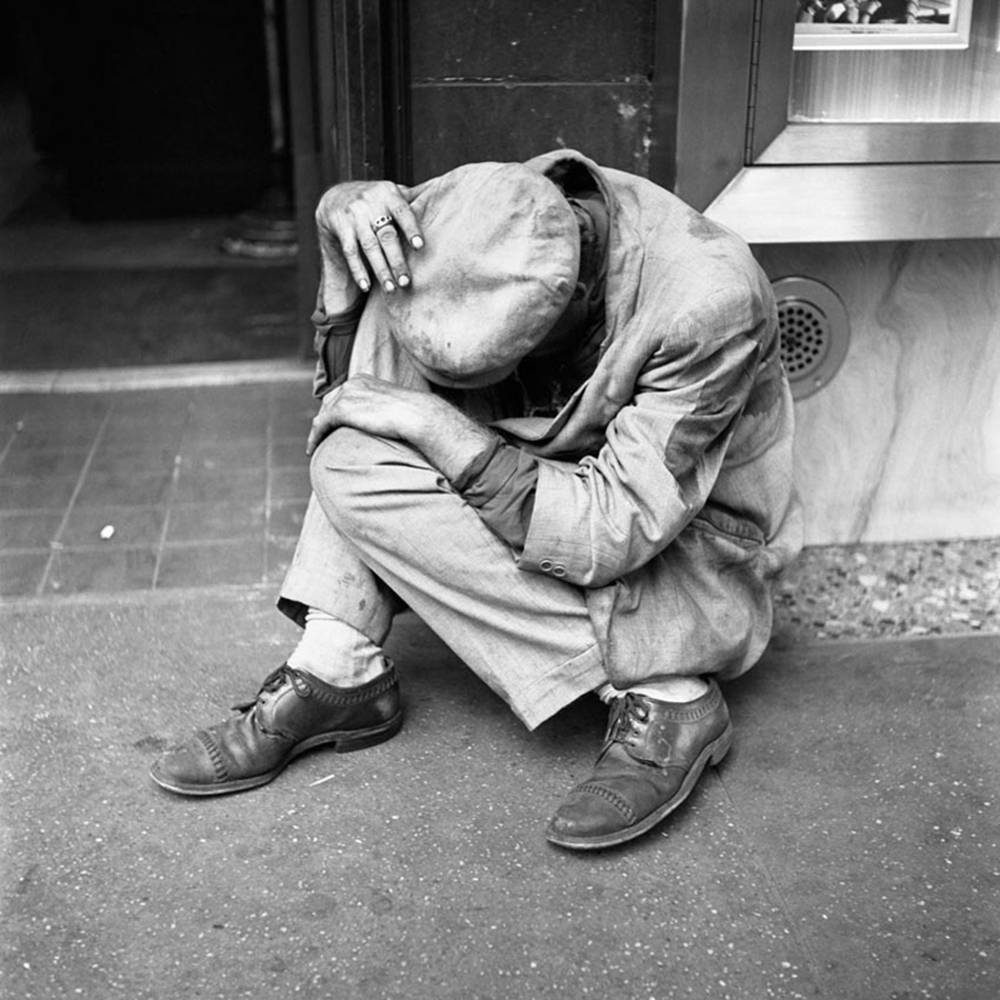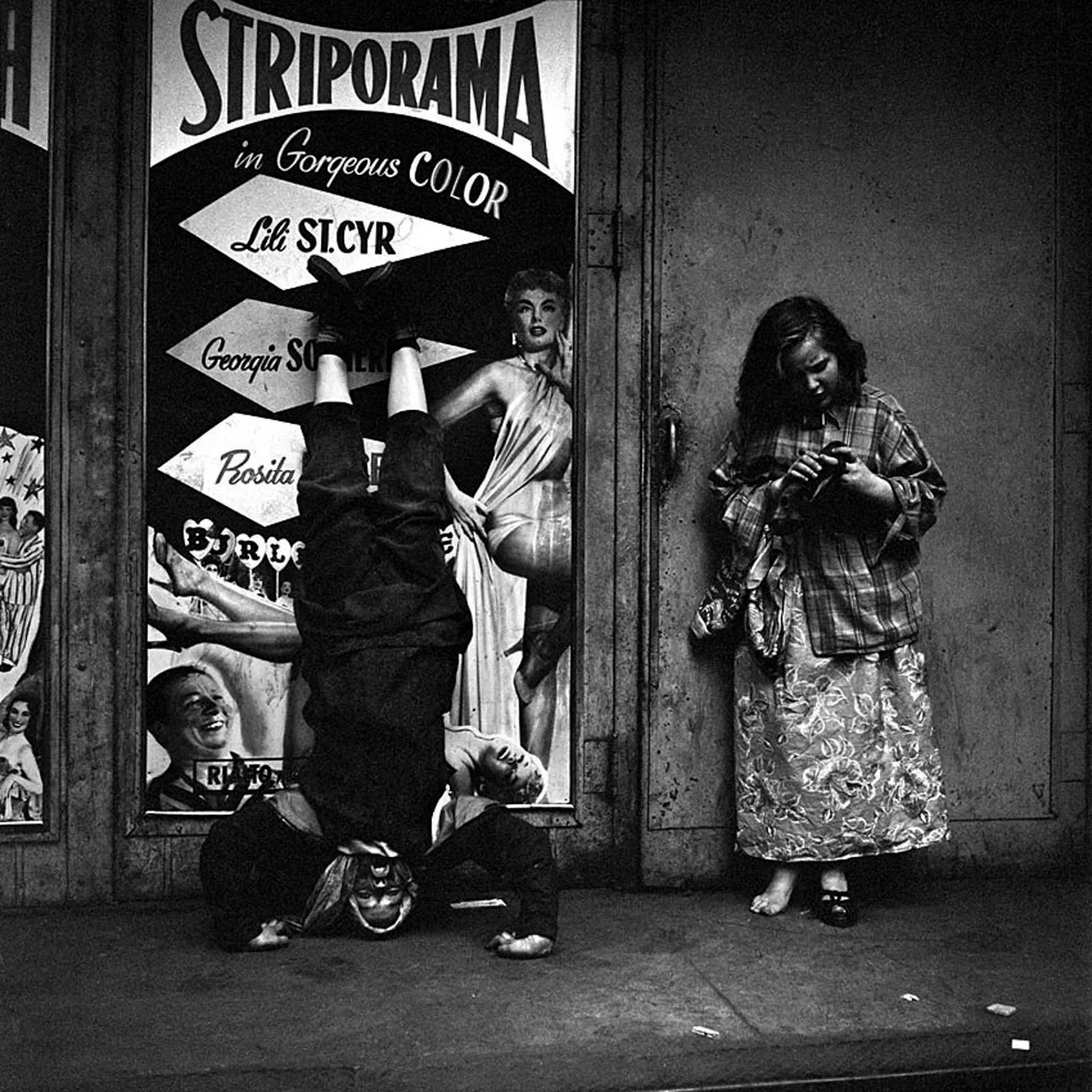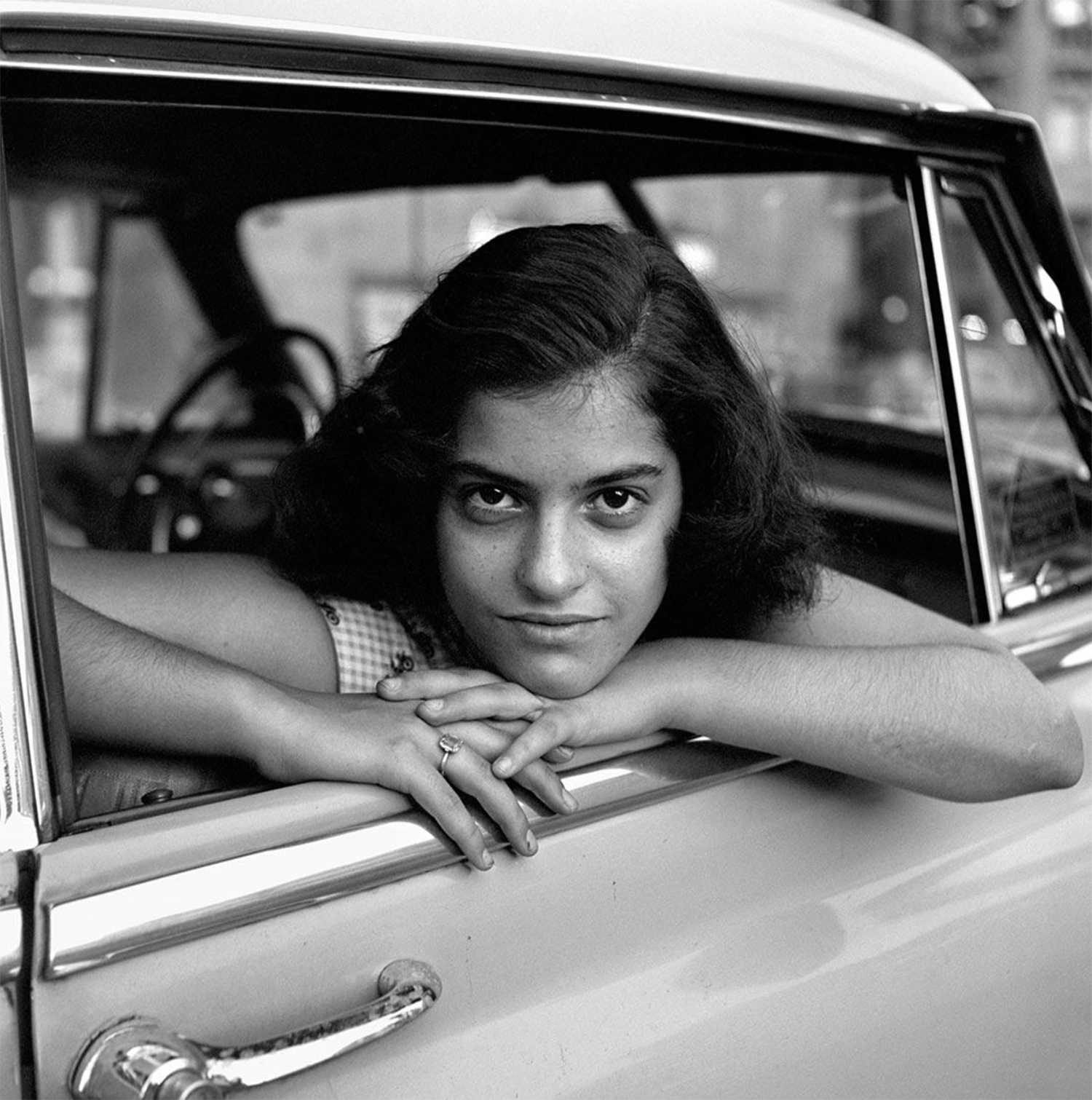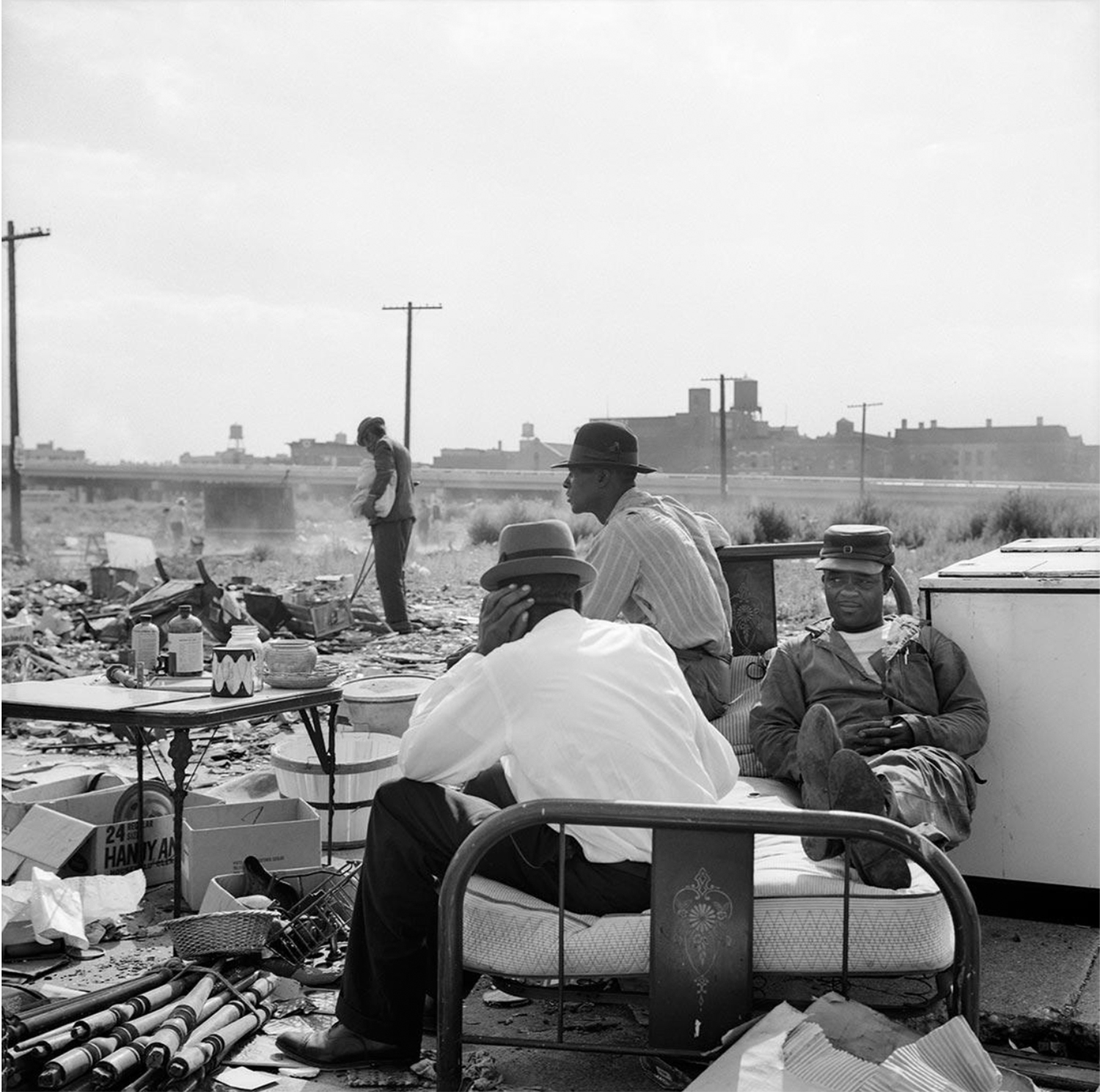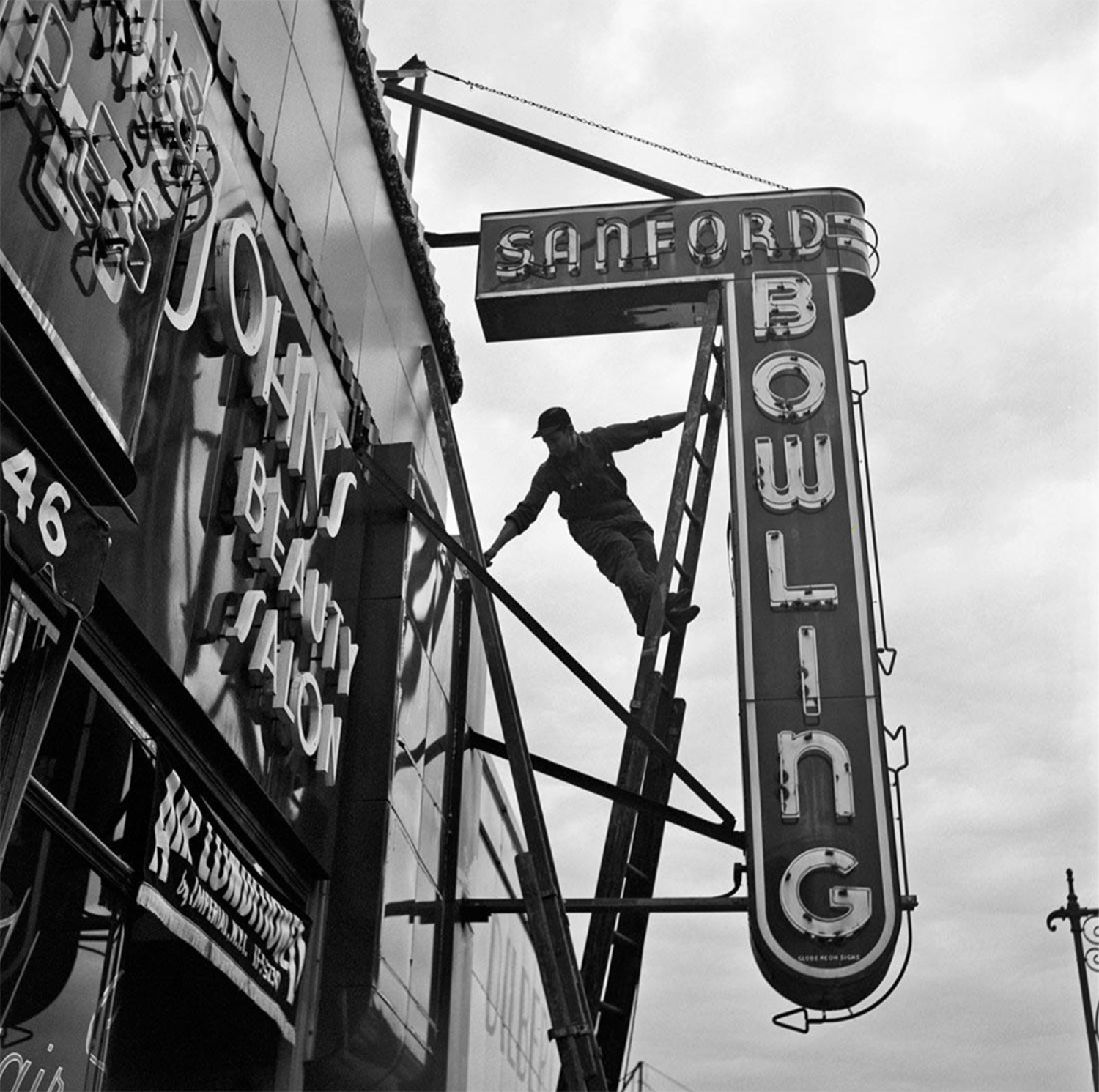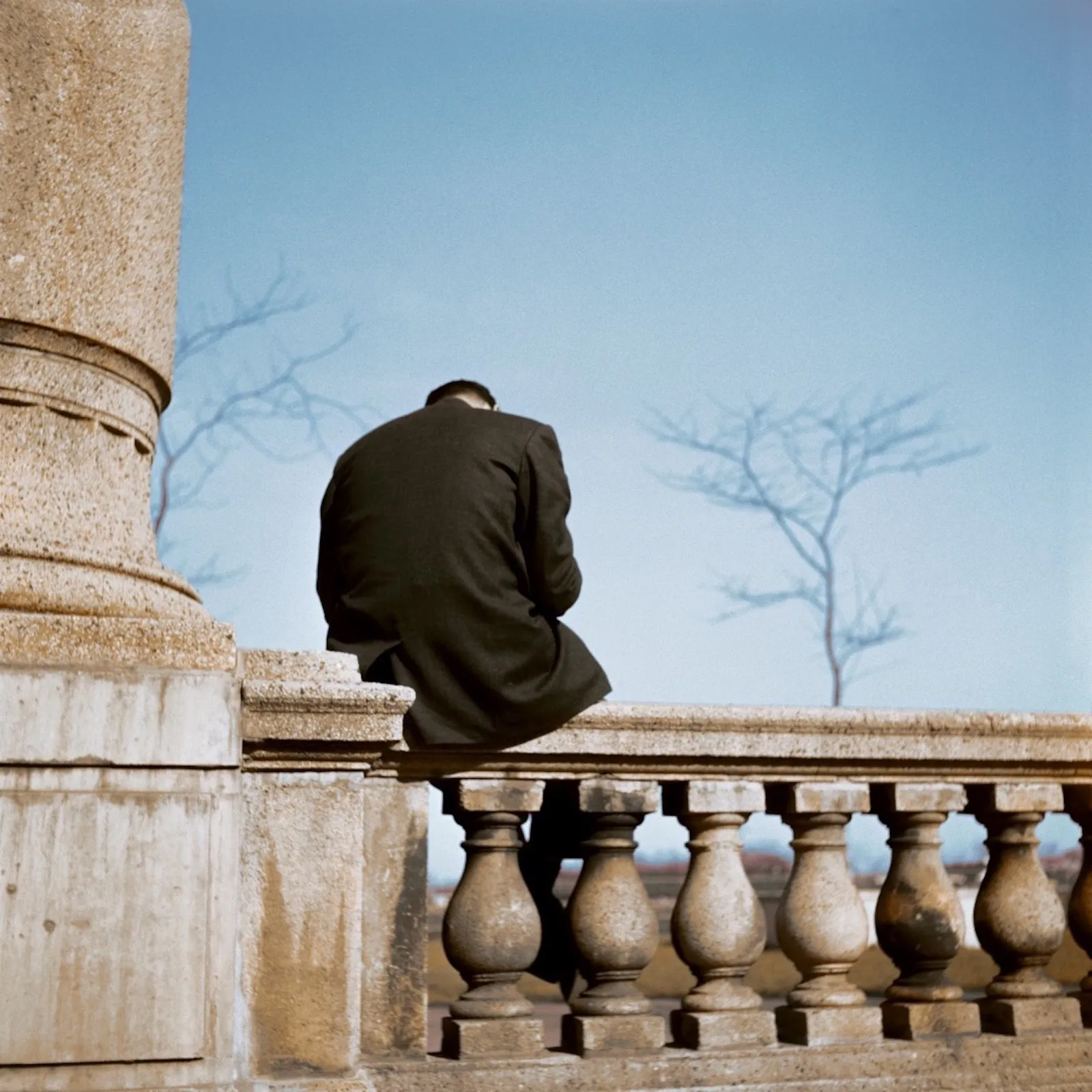

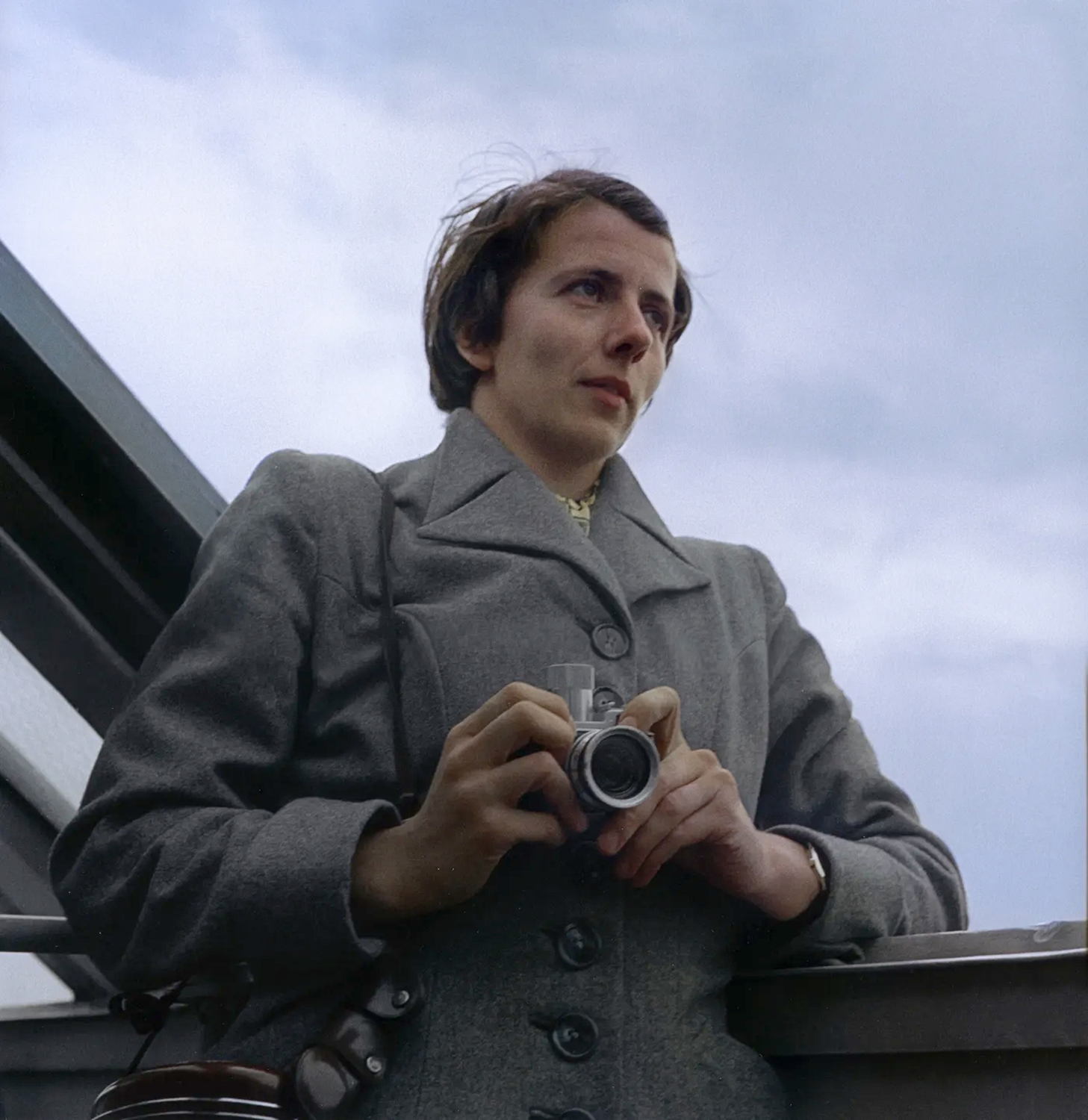
Some photographers spend their whole lives chasing recognition. Vivian Maier spent hers making sure nobody saw a single frame. She shot over 143,000 negatives across four decades, kept them in boxes, never exhibited them, never published them, barely even printed most of them. Then she died. And then the world found out.
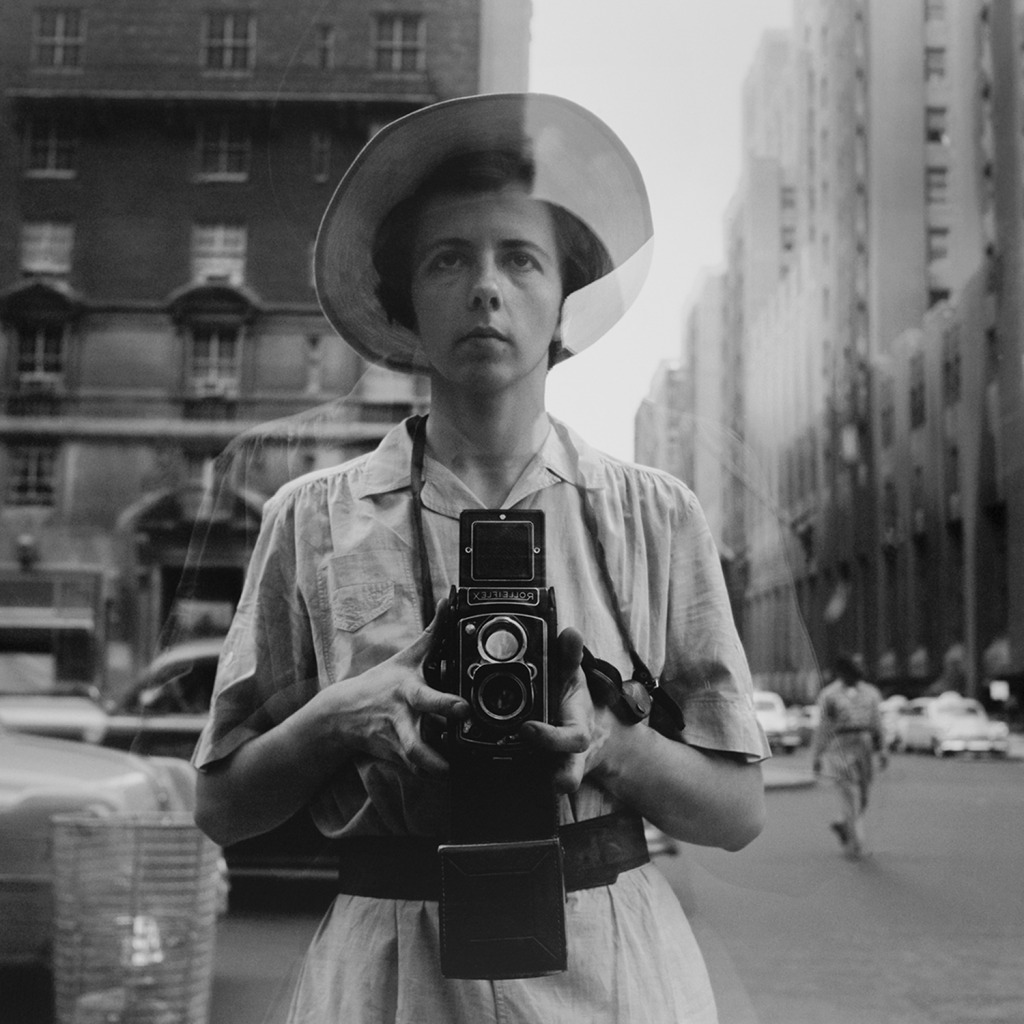
The story reads like something a novelist would get rejected for. Too neat. Too cinematic. In 2007, a man named John Maloof bought a box of negatives at a storage auction in Chicago for a few hundred dollars. He was looking for reference images for a local history book. What he found instead was one of the most extraordinary bodies of street photography ever made, sitting in a locker that had gone unpaid.
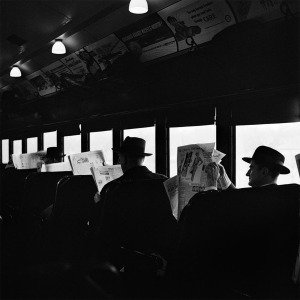
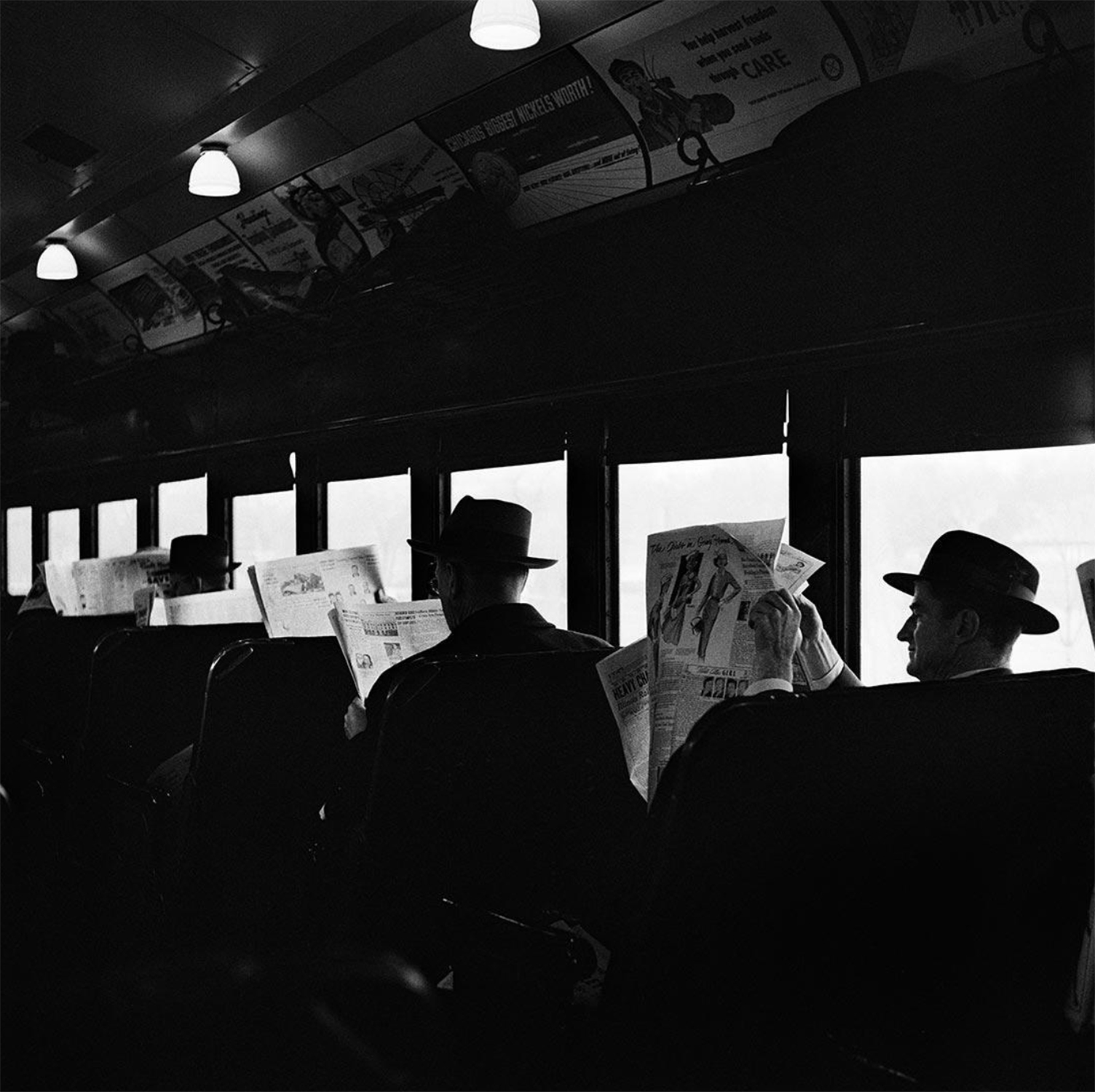
Maier was born in 1926 in the Bronx, to an Austro-Hungarian father and a French mother. She took her earliest pictures in France around 1949 with a Kodak Brownie, the kind of simple box camera designed for amateurs. She returned to the States in 1951, started working as a nanny, and in 1952 bought a Rolleiflex. That purchase confirmed what was already there. The camera hung from her neck as she walked children to the park, rode the bus through downtown Chicago, wandered blocks she had no real reason to be on except instinct.
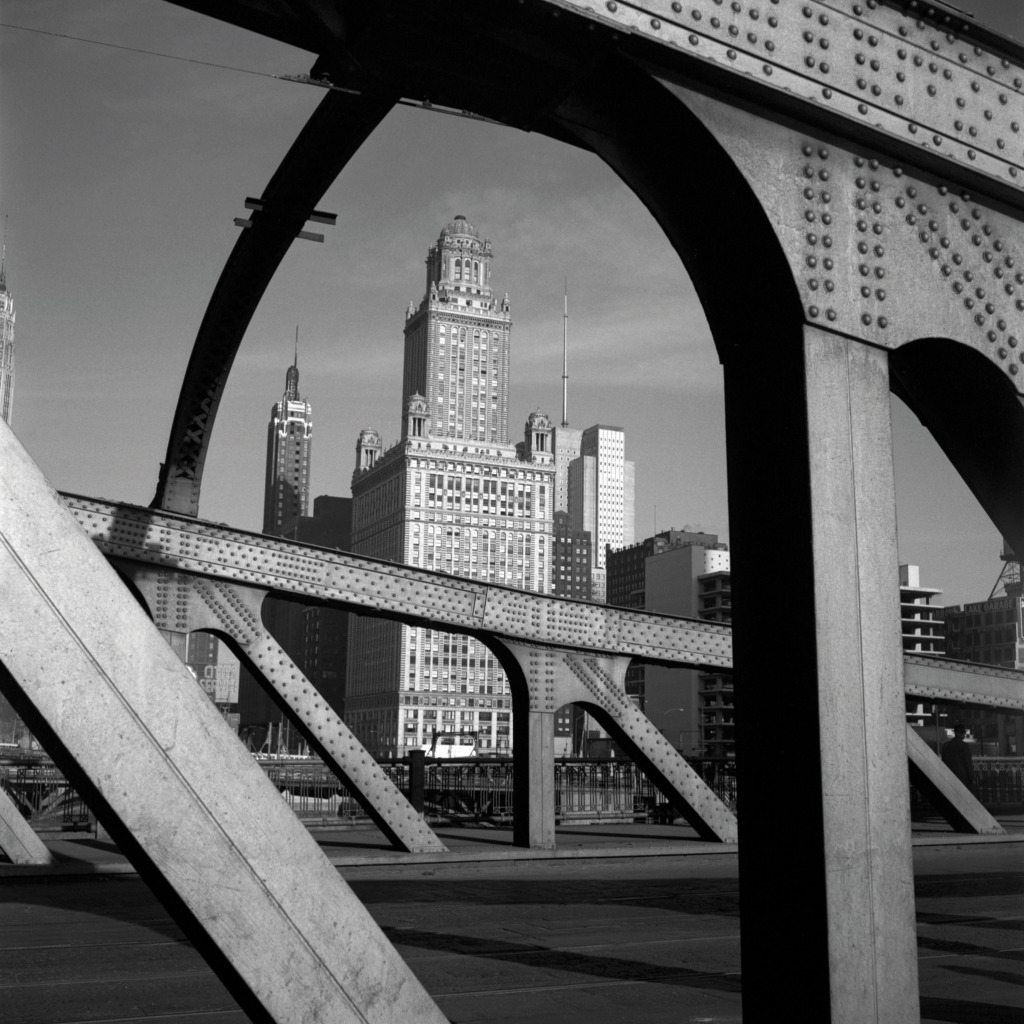
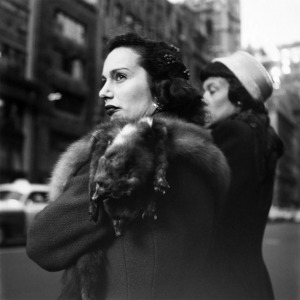
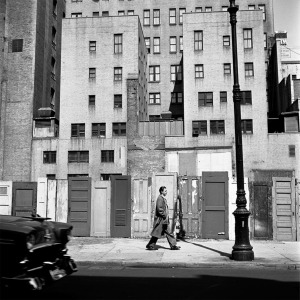
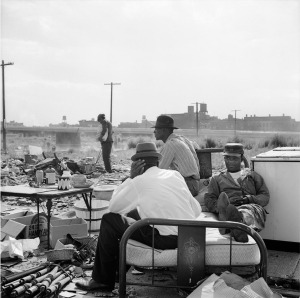
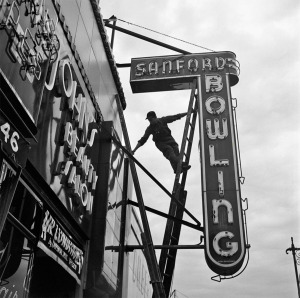
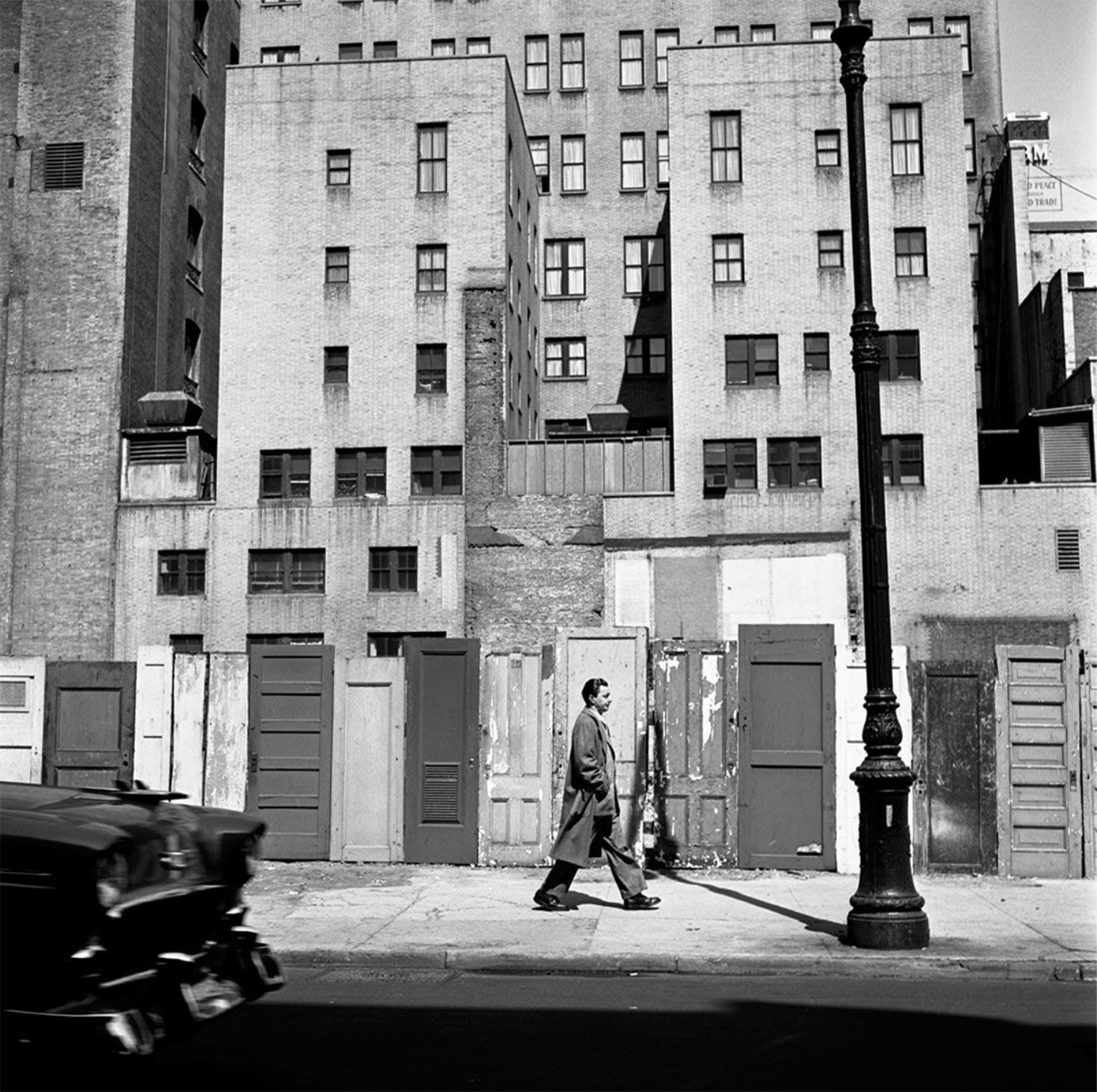
She worked for the Gensburg family starting in 1956, using their bathroom as a darkroom. Those years became the most productive stretch of her life. Sidewalks, intersections, strangers eating lunch on a bench. She photographed the ordinary with the kind of attention most people don't give to the extraordinary. She didn't chase spectacle. She waited for the small, true moment and pressed the shutter at exactly the right fraction of a second.
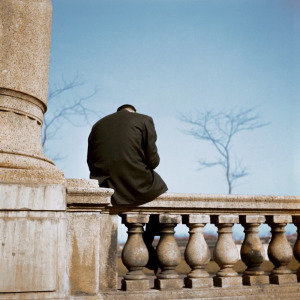
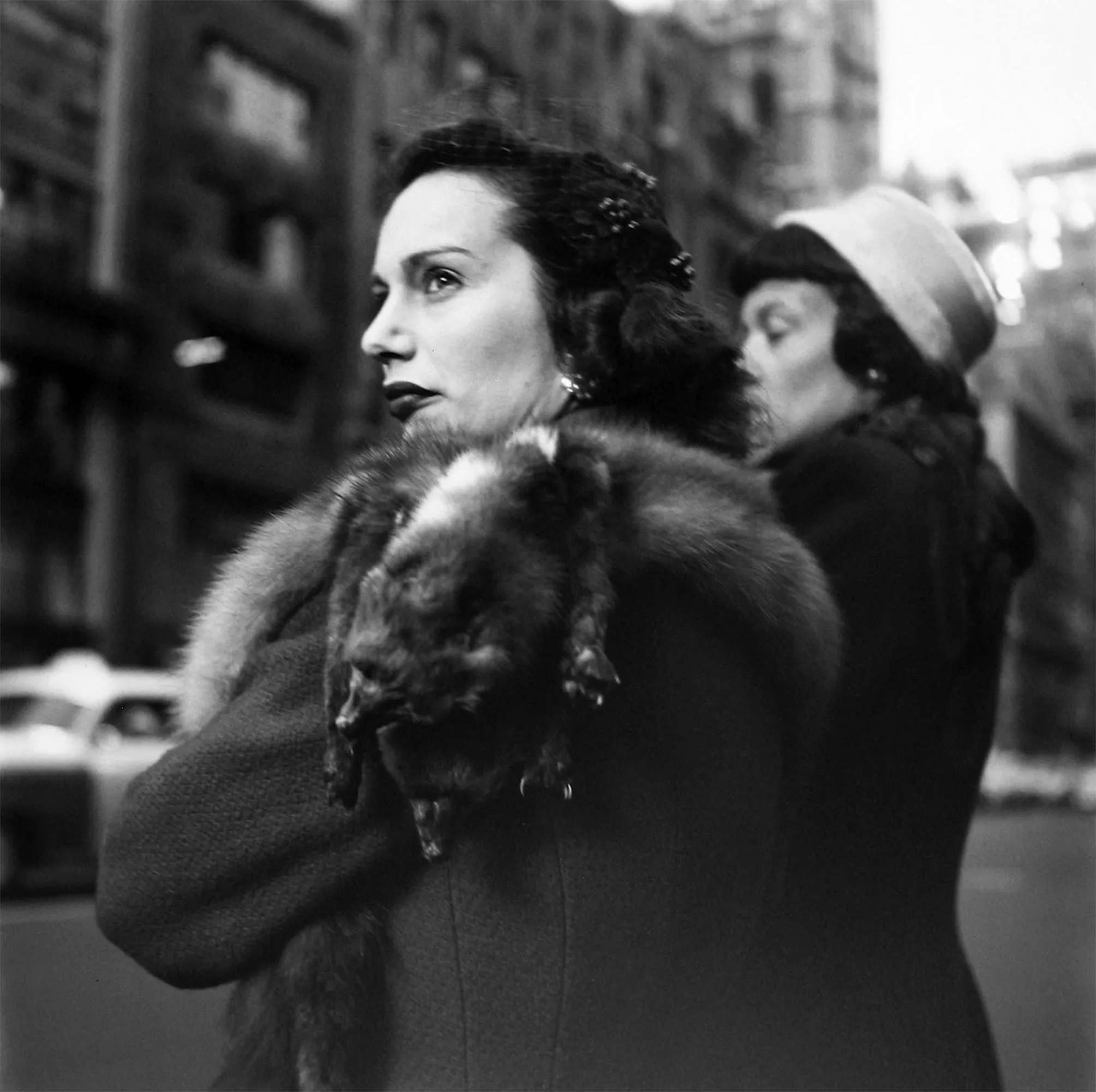
What makes the work so unsettling, in the best sense, is distance. Not emotional distance. Spatial. She had a near-scientific sense of where to stand. Close enough to catch the expression, the gesture, the telling detail. Far enough to never intrude. She stayed at the edge of every scene. Like someone watching a play from the wings.
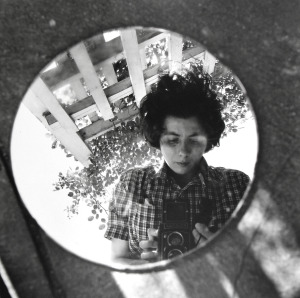
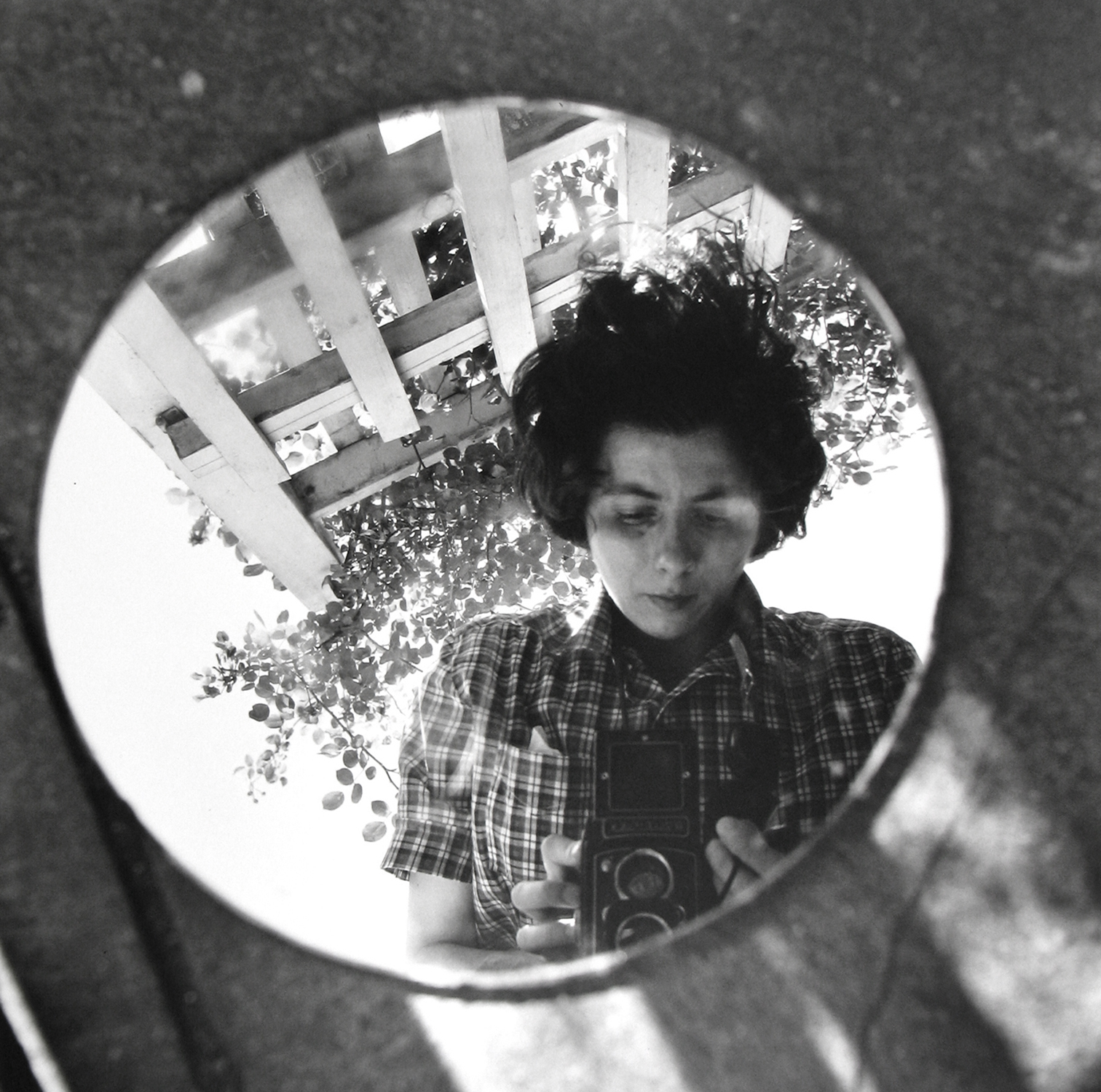
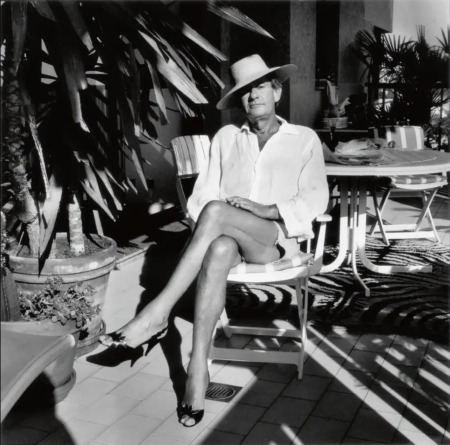
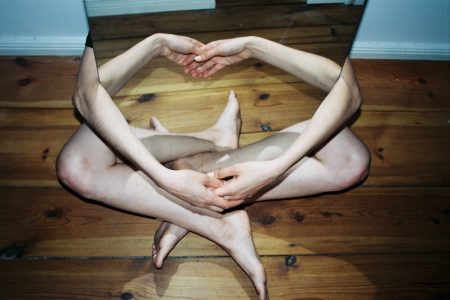
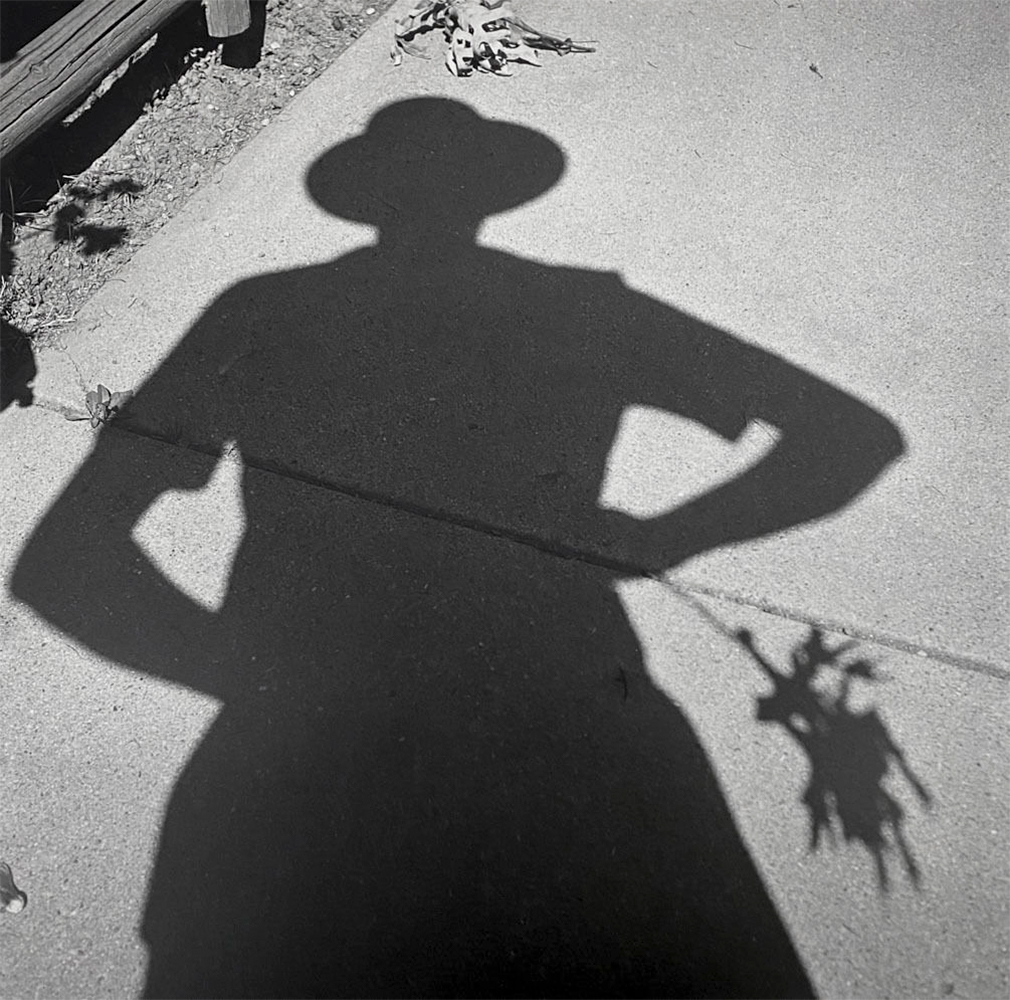
Then there are the self-portraits. Hundreds of them, scattered across her entire body of work. Her shadow stretched across pavement. Her reflection caught in a shop window. Her silhouette folded into a mirror at the edge of the frame. Sometimes barely there, a ghost you'd miss if you weren't looking. Other times staring straight back at herself through glass. There's something restless in all of it. Someone trying to locate herself inside a life that kept her invisible.
Because that's the thing. She was invisible. A nanny who lived in other people's houses, cared for other people's children, and carried a camera nobody ever asked to see. She never sought a gallery. Never approached a magazine. The photographs were hers, and she kept them that way.
By the early 2000s, the Gensburg children, now adults, helped set her up in a small studio apartment. Her boxes sat forgotten in storage until auctioned off for non-payment in 2007. She never knew. Maier died in April 2009 after a fall. A short obituary in the Chicago Tribune is how Maloof finally connected a name to the negatives he'd been scanning online. The timing is almost cruel. The world had just started paying attention when she was already gone.
She never needed anyone to tell her the pictures were good. She already knew.
Discover more of Vivian Maier's work:
Website ✶ Facebook ✶ X